
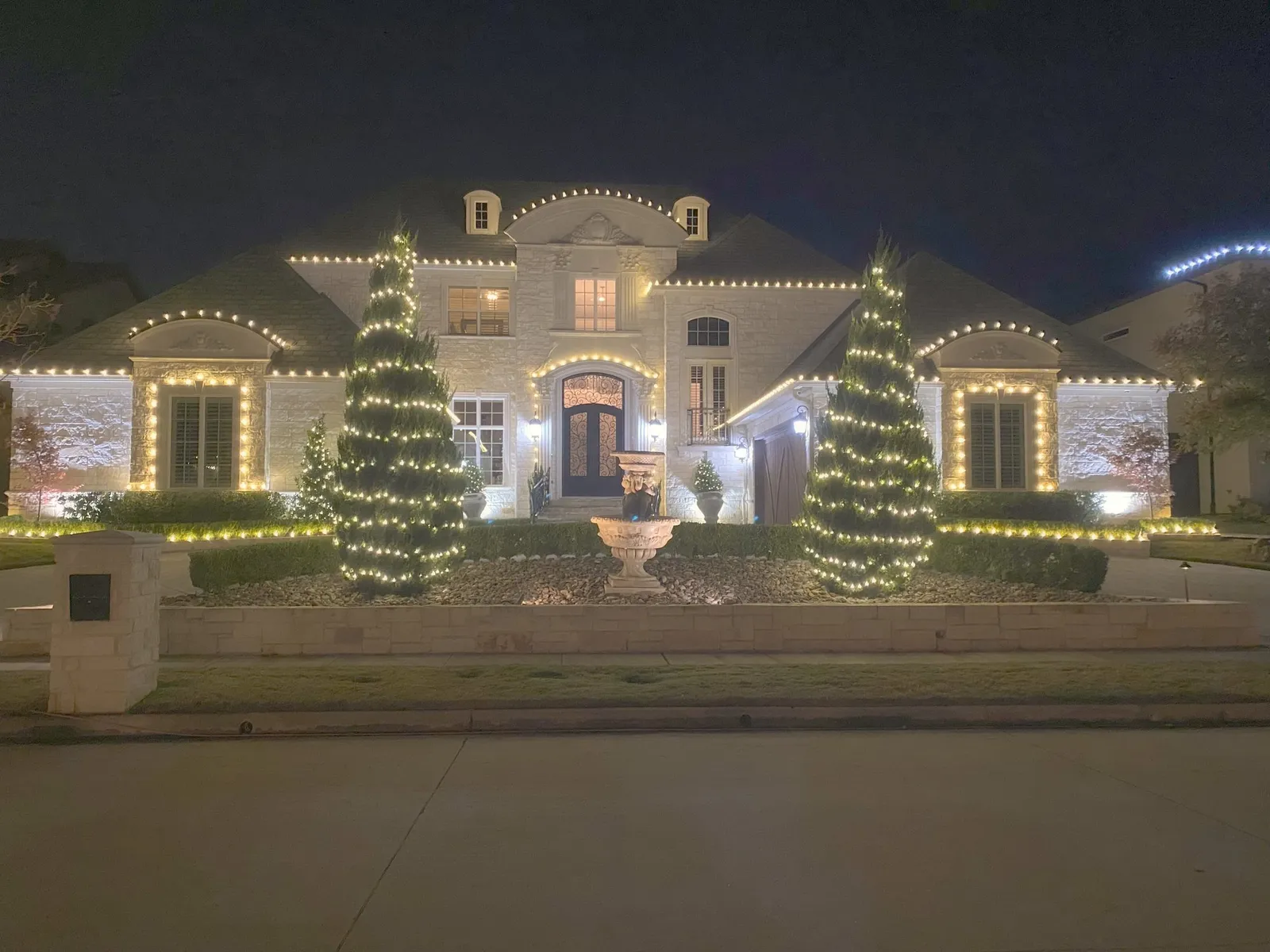
Residential Christmas Light Installation
Your roofline, your trees, your walkways. Designed for your house, installed by a trained crew, and taken down and stored when the season ends.
Custom-cut, not close enough
A roofline is not a straight line. It has peaks, dormers, returns, and corners where two planes meet at an angle nobody planned for. Store-bought strands come in fixed lengths, which is why most do-it-yourself displays end up with a gap at one corner and six feet of slack at another.
We measure your roof and cut every strand to fit it. Each bulb sits where it should, the spacing stays even from one end of the house to the other, and the line does not sag in week three because a clip was carrying more weight than it was built for.
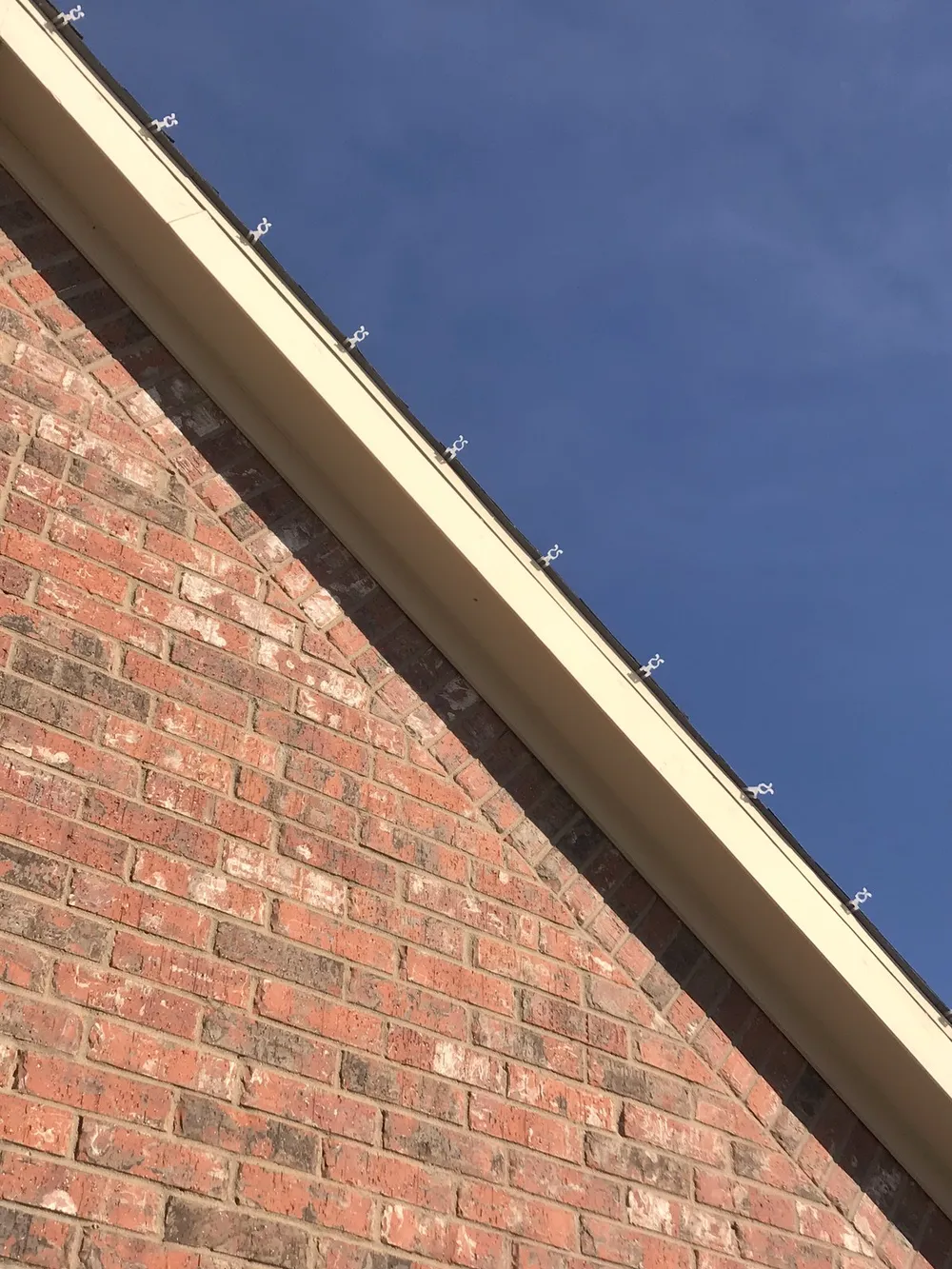
Commercial-grade lights, and they are ours
What we hang is not what is on the shelf in October. Heavier gauge wire, sealed sockets, and bulbs rated for a North Texas winter that swings from seventy degrees on a Tuesday to a hard freeze on Thursday. That temperature swing is what kills consumer strands, and it is the single most common reason a display starts dropping sections before Thanksgiving.
This is an all-inclusive service. We supply the lights, we maintain them, and we store them, so there is no inventory to find room for in August. It is also what lets us stand behind the fix, because we know exactly what is on your house and how old it is.
A trained crew on your roof
Bill is a career firefighter, still on shift today, and the safety habits came to this company with him. Crews work roped to anchors on steep pitches. Ladders get set and footed properly. Nobody free-climbs a wet roof to save fifteen minutes.
That matters to you for a plain reason beyond the obvious one: a crew that is working safely is also working carefully. Your shingles, your gutters, and your landscaping come through the season the way they started it.
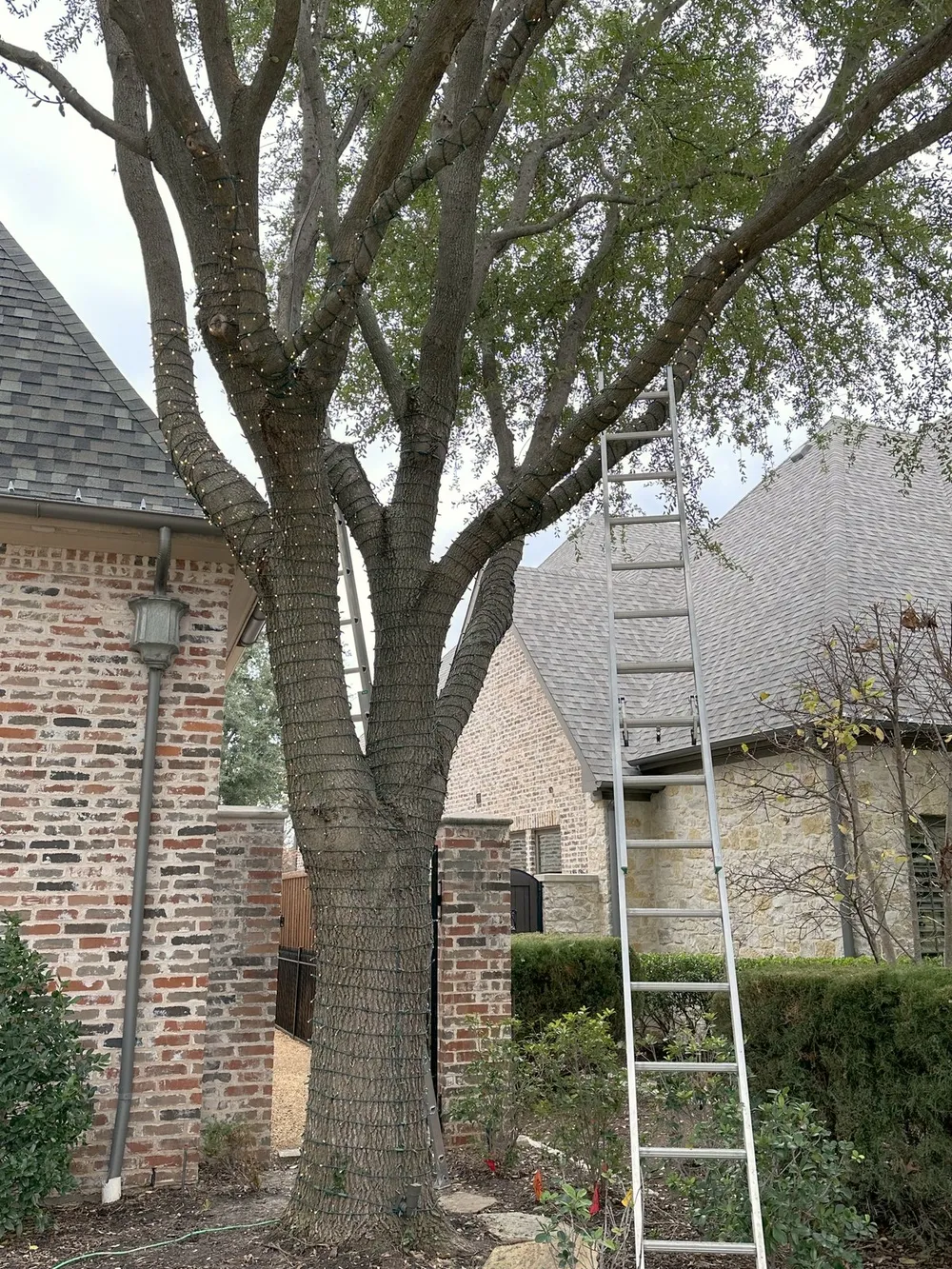
What install day actually looks like
The truck arrives with your display already planned. Strand lengths, clip type, bulb colour and the run order were decided at the walkthrough, so nobody is standing in your driveway working out where to start.
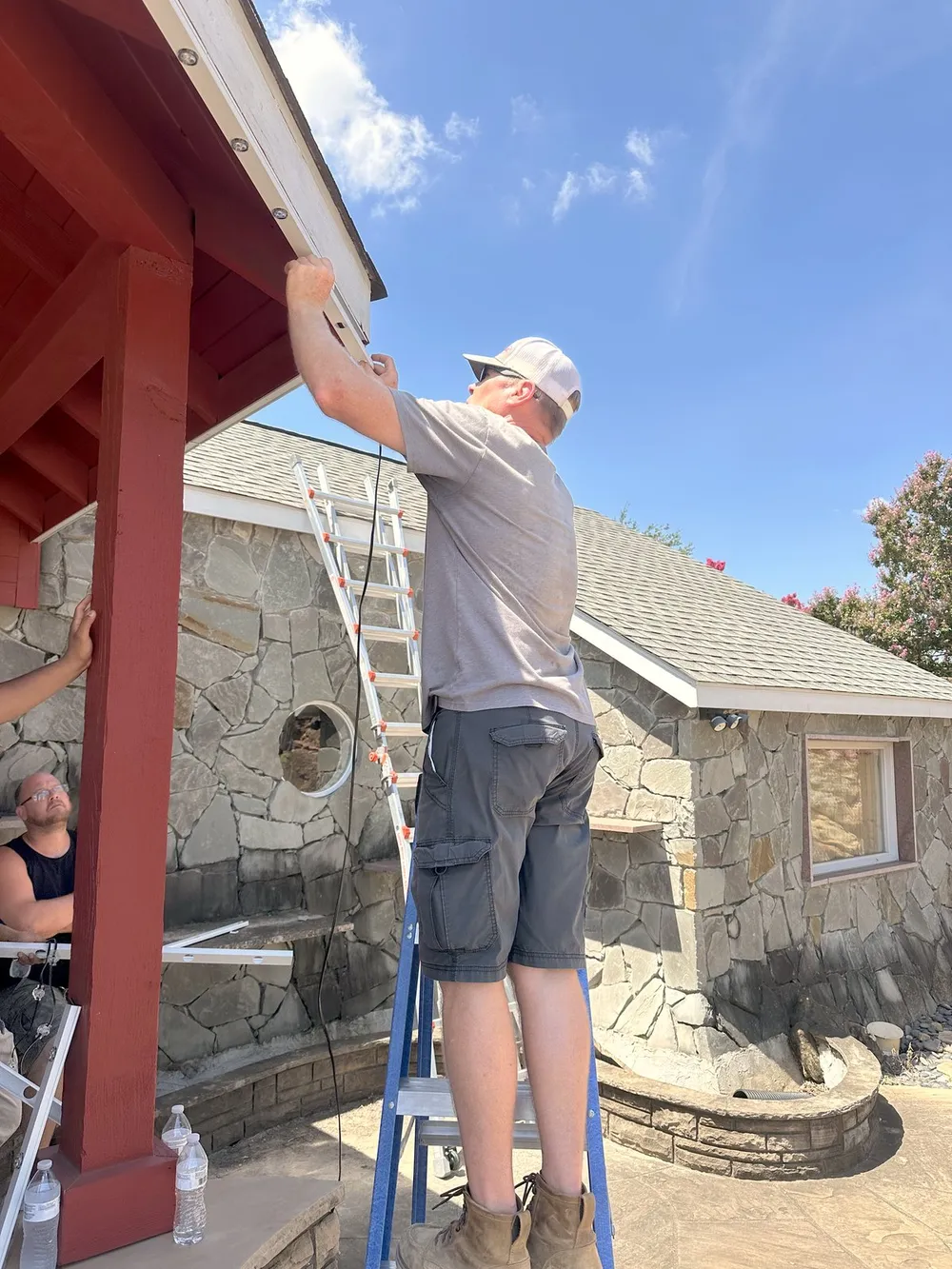
Ladders go up first and get footed properly. On anything steep the crew ropes to an anchor before they leave the ladder. That is not a formality; it is the difference between a routine day and the one nobody wants.
Strands are cut on site to your roofline. Clips are chosen for the surface they are attaching to, which means shingle clips on shingle, gutter clips on gutter, and nothing driven into fascia. Then the whole thing gets tested before we leave, because finding a dead run in daylight is a five-minute fix and finding it in December is a service call.
Colour, spacing and the choices you actually get
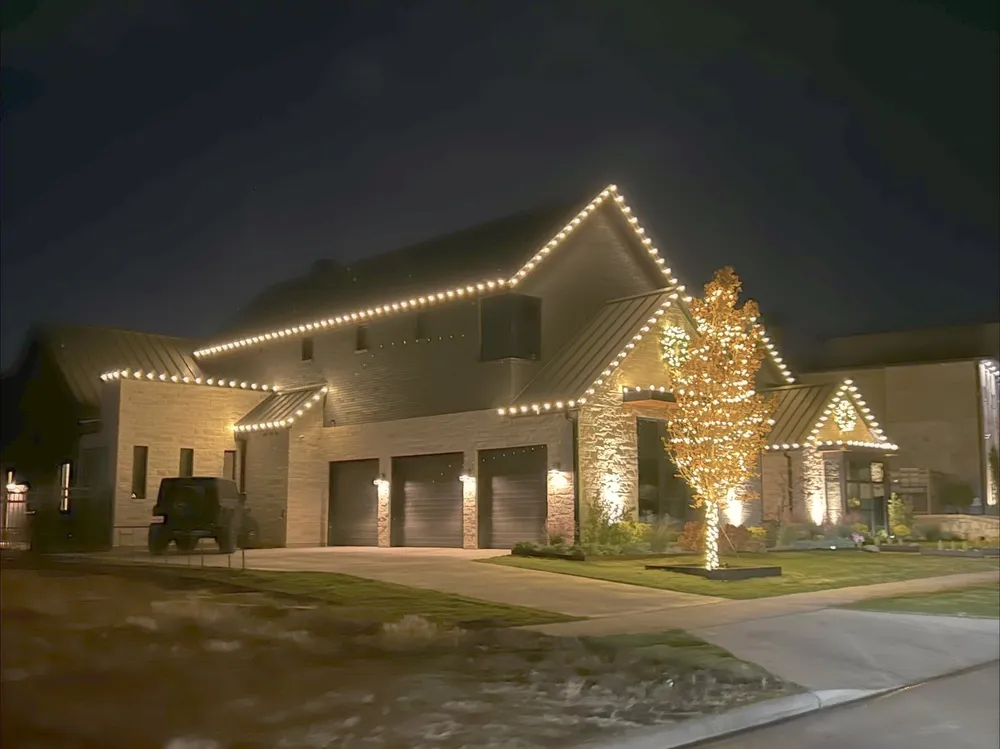
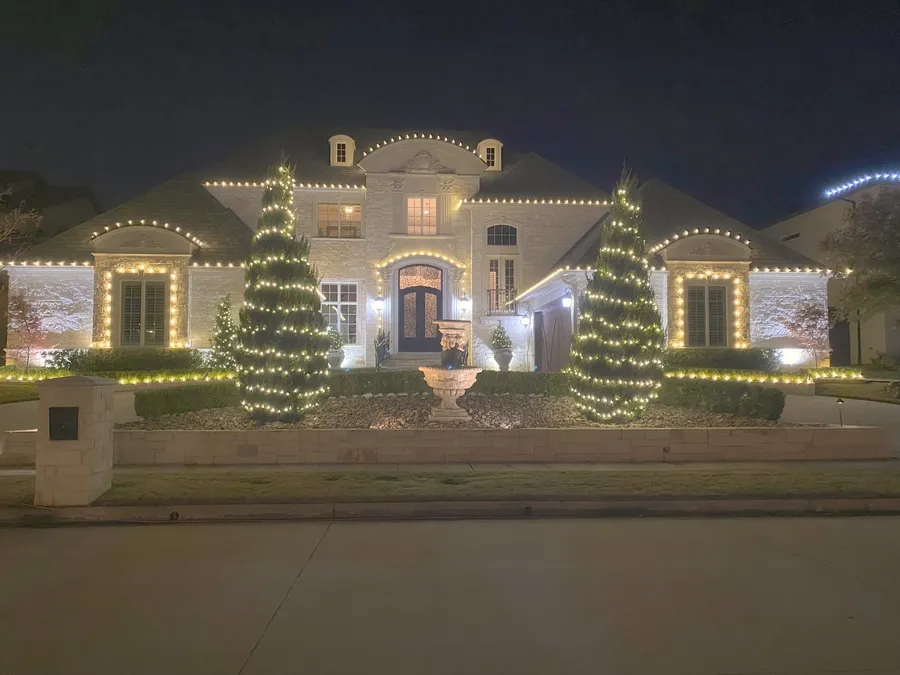
Warm white is what most people picture and it is the safest choice on a brick or stone house. It reads as expensive rather than loud, and it does not fight the colour of the masonry.
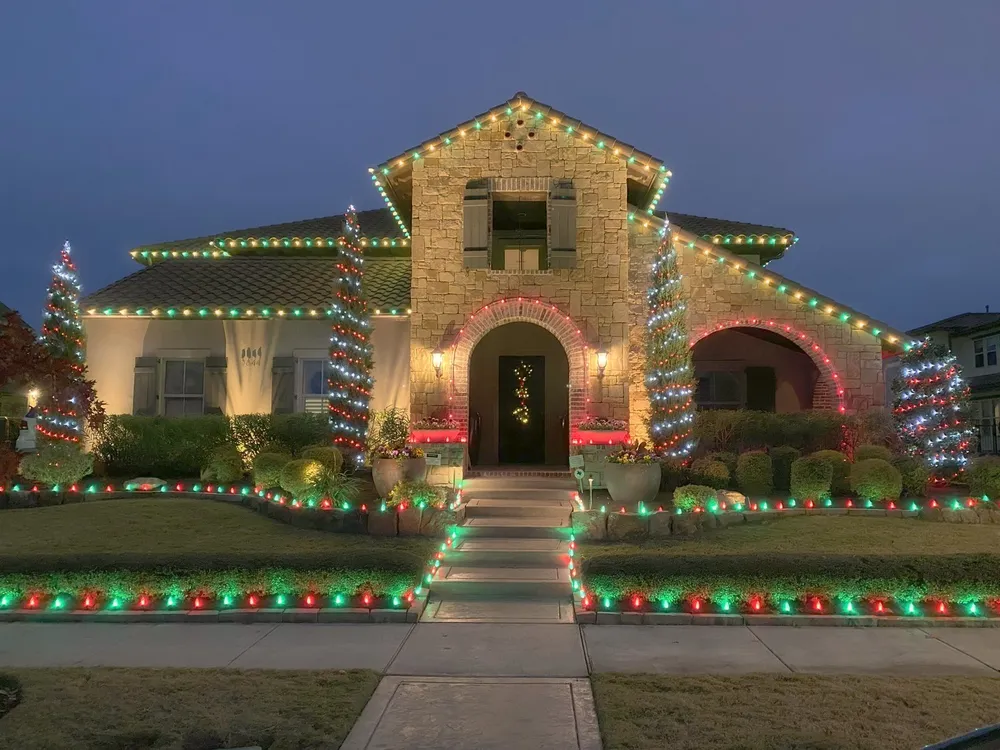
Traditional multicolour is the other end and it suits a house with simpler lines. Where it goes wrong is on a property with a lot of architectural detail, because the colour competes with the shape instead of showing it off.
Bulb spacing matters more than people expect. Tighter spacing reads as a solid line of light from the street; wider spacing reads as individual bulbs. Neither is wrong, but they suit different houses, and we will tell you which one your roofline wants.
What goes wrong on other people's installs
Sagging is the most common failure and it is almost always a clip problem. A clip carrying more weight than it was designed for lets go, and once one goes the ones either side take the extra load and follow.
The second is the stretched run: a strand pulled to reach an outlet it was never long enough to reach. It looks fine on install day and it is the first thing to fail when the temperature drops and the wire contracts.
The third is water. A connection sitting in a gutter or lying in a low spot will eventually let water in. Every connection on our installs is positioned so water runs away from it rather than into it, which is unglamorous and is the reason our December call volume is low.
Timing: when we install and why it matters
Installs run through the fall. Starting early is not us being pushy about the season; it is the only way to get every display up, tested and working before the weather turns and before the calendar compresses into the last three weeks.
You do not have to have your lights switched on the day they go up. Plenty of customers have us install in October and simply leave the timer off until they are ready. The work is done, the display is tested, and you decide when the house comes on.
The dates that go first are the ones either side of Thanksgiving, because that is when everyone wants to be lit. If that week matters to you, it is the one to ask for early.
What we do not do, and why
We do not hang lights a customer already owns. That is not about selling materials; it is that we cannot insure work on hardware we did not supply and cannot guarantee a strand whose age we do not know.
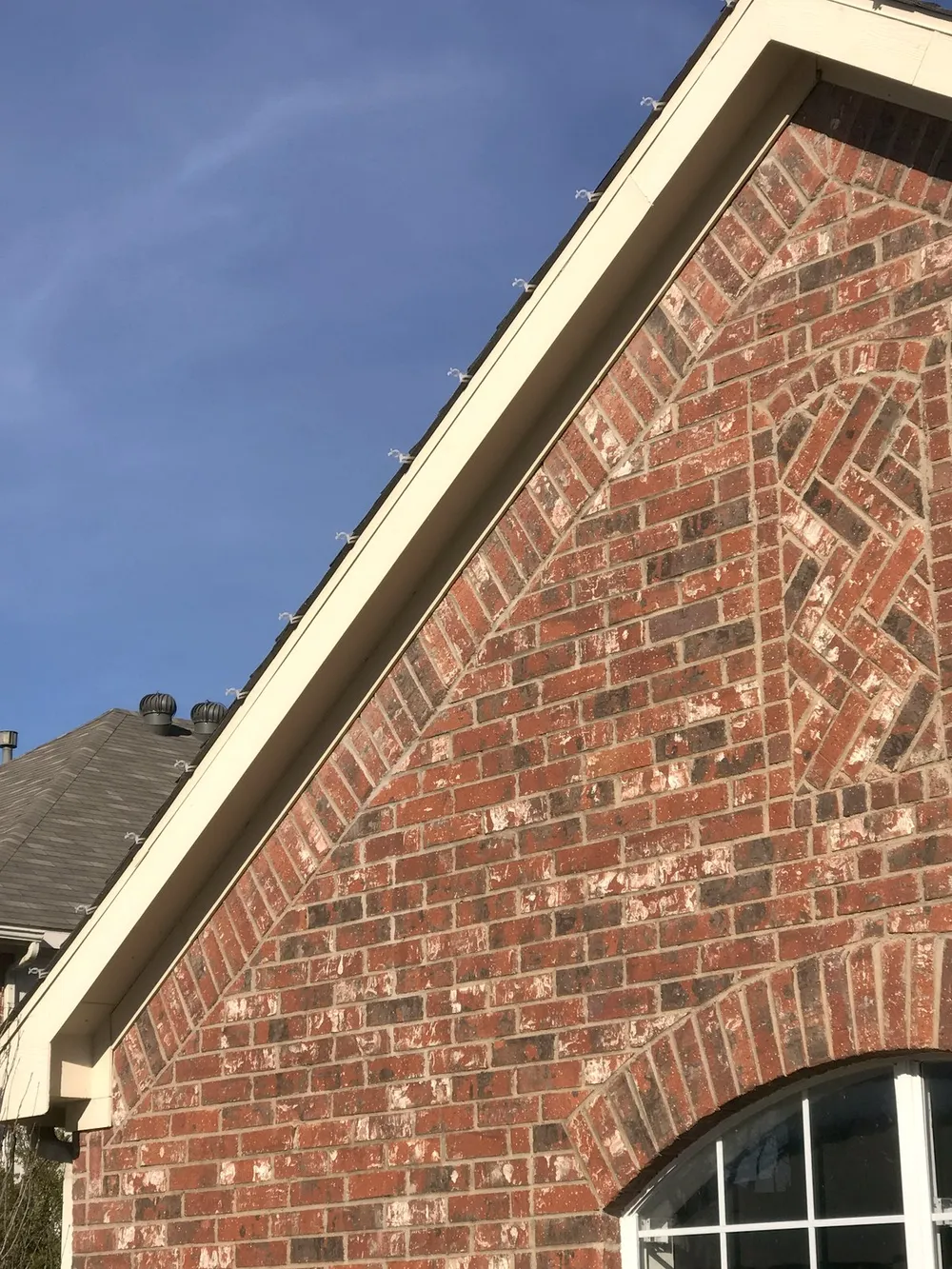
We do not staple, nail or screw anything into the house. Every attachment is a clip designed for the surface it grips, which is why there is nothing to patch when the display comes down.
We do not free-climb a wet roof to keep a schedule. If the weather is wrong on your day, we move the day. That is occasionally inconvenient and it is not negotiable.
What we light
- Rooflines, peaks, dormers, and gable returns
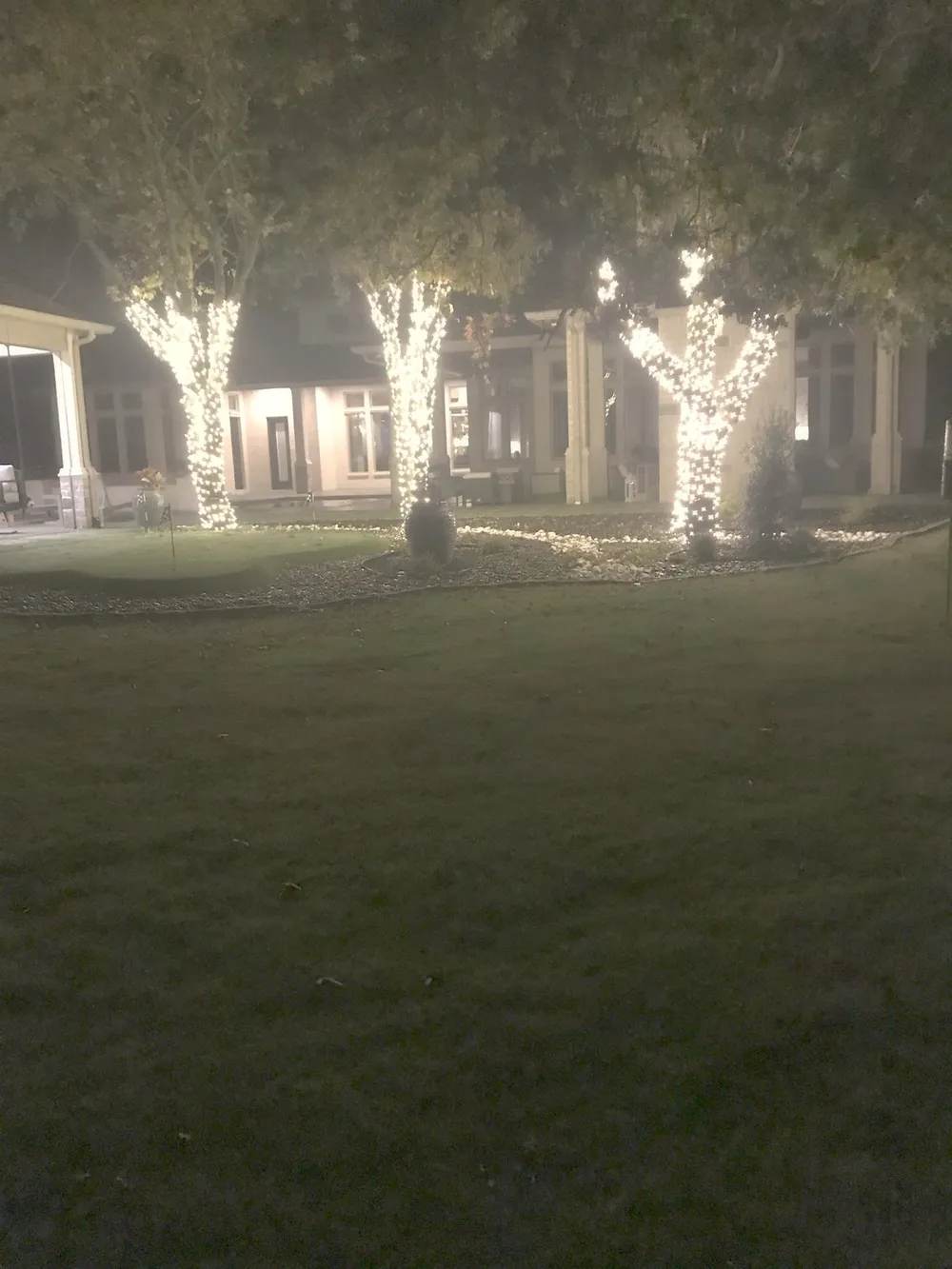
- Wrapped trees, trunk to branch, in warm white or color
- Lit bushes, hedges, and landscape beds
- Walkway and driveway ground stakes
- Wreaths and garland on doors, columns, and entryways
- Arches, porch rails, and architectural accents
Since 1998
What is included, every job
Commercial-grade lights, supplied and maintained by us
Design walkthrough before anything goes up
Insured professional install
Free fixes all season long
Get your number
Tell us where to look and Bill comes back to you the same day with a real number. You are not committing to anything.
Would rather talk? Call (972) 658-0780 and you get Bill, or use the contact page.
One call. The whole season handled.
Get your quote, pick your install date, and spend December looking at it instead of working on it.
Residential questions
When do you start installing?
Installs run through the fall so every display is lit and working well before the holidays. Dates go to whoever books first, so the earlier you call, the more choice you have.
Do I need to be home for the install?
No. Once the design is approved and we have access to the outside of the house, we can install while you are at work. Most customers come home to a lit house.
What if I want to change the design next year?
Say the word. Because we store your display, we already know your roofline and your bulb count, so adding a section or changing colors is a conversation rather than starting over.
Will the lights damage my roof or gutters?
No. Every attachment is a clip sized for the surface it grips, so there is nothing stapled, nailed or screwed into the house. When the display comes down in January there is nothing to patch and nothing to paint.
What happens if we get a hard freeze?
Nothing, and that is the point of using commercial-grade materials. Heavier wire and sealed sockets are specified for exactly the North Texas pattern of a warm afternoon followed by a hard freeze, which is what kills consumer strands.
Can I add to the display partway through the season?
Usually yes. If you decide in early December that the trees should have been wrapped after all, call and we will see what the schedule allows.